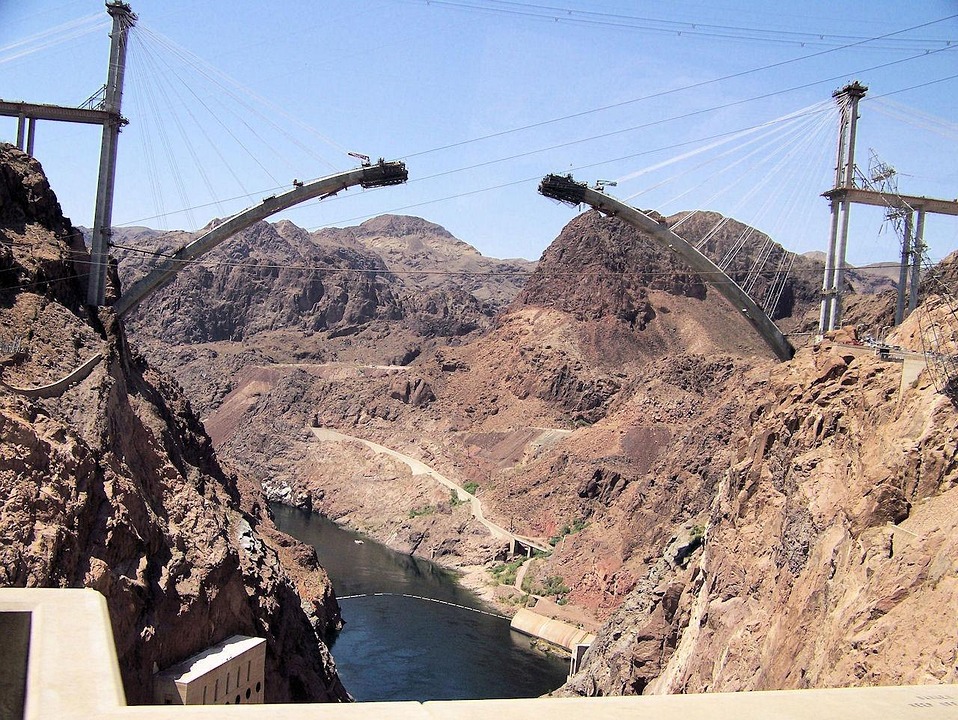
The Hazel Grove Bypass has been a topic of much discussion and anticipation among residents, commuters, and local businesses. Introduced to alleviate congestion and enhance connectivity, this new road project is already making waves in the way local travel is conducted.
Reducing Traffic Congestion
Before the establishment of the bypass, local roads were frequently clogged with traffic—especially during peak hours. The Hazel Grove Bypass serves as an alternative route for through traffic, significantly reducing the number of vehicles on local roads. This change not only minimizes delays but allows residents to navigate their community with greater ease.
Enhancing Travel Time
With the diversion of major traffic away from residential areas, travel times for local commuters have drastically improved. Daily journeys that previously took an average of 30 minutes can now be completed in less than 15 minutes, translating into more time for family, work, and leisure activities.
Boosting Local Economy
The Hazel Grove Bypass is also set to provide a boost to the local economy. By facilitating quicker access to businesses and services, it invites new commercial entities to consider establishing themselves in the area. This increased foot traffic benefits existing establishments as well, encouraging local spending and investment.
Environmental Benefits
Another noteworthy impact of the bypass is its potential environmental benefit. With fewer cars idling in congestion, there’s a marked reduction in vehicle emissions. The project is integrated with green initiatives, including landscaping and noise reduction measures, making it a responsible choice for development in the region.
Community Engagement and Future Developments
The success of the Hazel Grove Bypass has been made possible through extensive community consultations and planning. Local residents have been actively engaged throughout the planning process, ensuring that their voices are heard and their needs are met. Looking ahead, further developments, such as pedestrian pathways and cycling lanes, are expected to be implemented, promoting sustainable and active travel options.

